
The Secret to a Low-Maintenance Garden
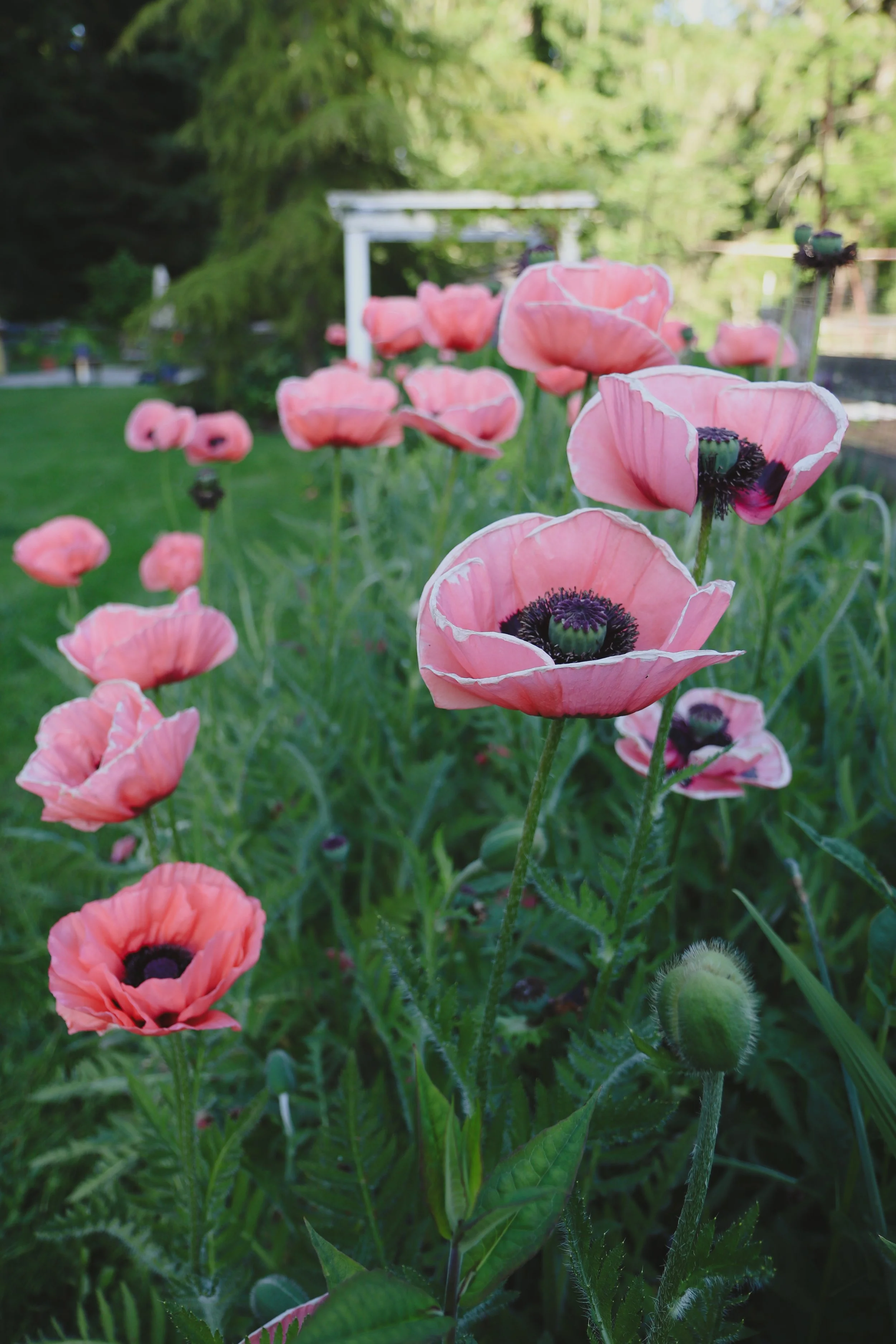
The Secret to a Low-Maintenance Garden: Full Ground Coverage
The most common request I get is help designing a low-maintenance garden. As a gardener, I’ll admit I sometimes roll my eyes, I firmly believe that time spent in the garden is time well spent. But as a homeowner who is constantly cleaning every surface indoors, I also understand that gardening isn’t everyone’s passion.
Whether you’re an avid gardener, a casual potterer, or someone who would rather not deal with their yard at all, I give the same advice every time:
My number one tip for a low-maintenance landscape is full ground coverage.
By full ground coverage, I mean no exposed soil and no so-called “beauty bark” as replacement for plants. Maximizing vegetation reduces maintenance in multiple ways and can be done cost-effectively by planting bare-root perennials or overseeding with ground covers. While full coverage doesn’t happen overnight, most gardens can reach this stage within three years of planting, and here’s why it’s worth embracing.
Reduces Water Needs
It’s a common assumption that more plants mean more watering, but the opposite is actually true (plant choice matters, of course). Full ground coverage creates a living buffer between the sun and the soil, slowing evaporation throughout the day. The denser the planting, the better this protection works.
Mulch can help reduce water loss, but it doesn’t function the same way plants do. In fact, during hot summer months, thick mulch can sometimes prevent water from reaching plant roots. Living plants, on the other hand, absorb, retain, and help store moisture in the soil.
Reduces Weeding
Anyone with knee problems will appreciate this one. Full ground coverage dramatically reduces weeding. Simply put, the more plants you want in your garden, the less space there is for the plants you don’t.
Take horsetail, for example. It thrives in nutrient, poor, exposed soils, like bare beds covered in wood bark. Instead of fighting it endlessly, try choking it out with a mix of perennials and grasses. You might even find it looks surprisingly good woven in with native species like Tufted Hairgrass or Douglas aster.
Increases Habitat Space
We’re currently in a biodiversity crisis, largely driven by a massive decline in insect populations. While that might sound appealing at first, it actually leads to poorer plant health.
Our gardens rely on insects to pollinate plants, break down organic material, and cycle nutrients back into the soil. By adding more plants, we create habitat for these essential workers. That means less hand-pollinating fruit trees, less fertilizing, and healthier plants overall. Make space for the creatures that do this work for free, and do it exceptionally well.
Improves Soil Health
Soil is the single most important factor in a healthy garden, and healthy gardens are inherently lower maintenance. More plants mean more roots interacting within the soil biome, which encourages one of a gardener’s best friends: mycorrhizae.
These beneficial fungi form symbiotic relationships with plant roots, allowing plants to absorb water and nutrients more efficiently. Without them, plants struggle. The more abundance we build in the soil, the stronger and more resilient our gardens become, and the less work we have to do to keep them thriving.
