
Dealing with Soil Quality and Drainage in the Garden

What is Bad Soil?
I often hear the phrase, “I have crappy soil in my yard.” When clients say this, they’re usually referring to low nutrient levels, rocky ground, heavy clay, or severe soil compaction. Nutrient content, in particular, comes up again and again when people describe their soil as “bad.” While I’ll absolutely share ways to improve soil porosity and nutrient availability, I want to start by explaining why that phrase always gives me pause.
Calling soil “crappy” assumes that all plants want the same thing, and they don’t. Comparing the nutrient needs of a dahlia to Sea Thrift is a bit like comparing my husband’s desire to eat five-star spicy Thai food every night to my Canadian grandmother’s aversion to anything spicier than black pepper. Different tastes for different people. Plants are no different.
Before reaching for amendments, fertilizers, or truckloads of compost, it’s worth asking a simpler question: what kind of soil do you already have, and what wants to grow in it? We’re surrounded by native plant communities that thrive in conditions many homeowners would label “poor.” Wildflower meadows flourish in low-nutrient soils with minimal organic matter. Lupines happily grow in straight sand along riverbanks. Native heuchera can be found clinging to cliffsides with barely any soil at all. These plants don’t need “better” soil, they need the right soil.
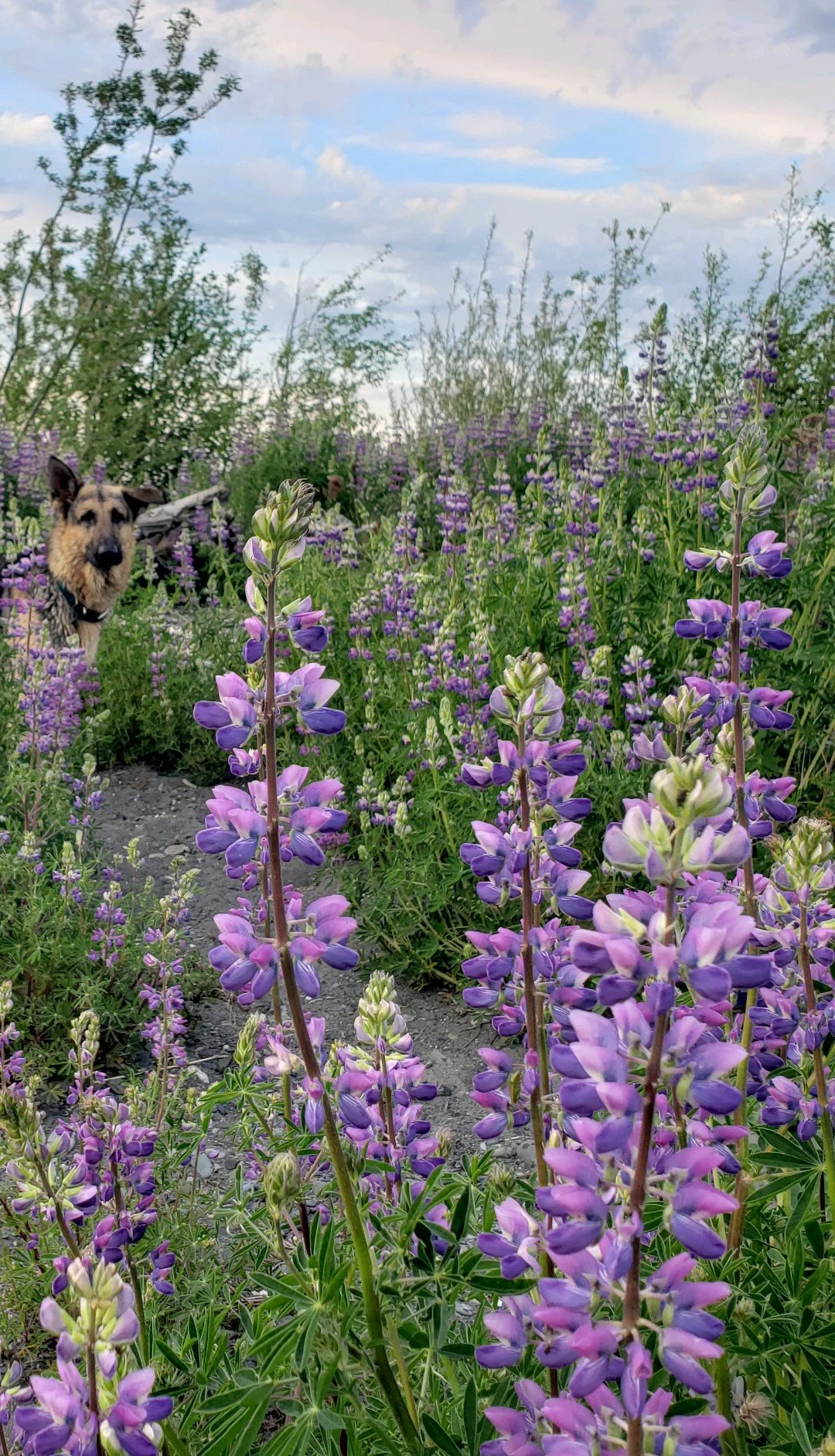
Issues with Soil Compaction and How We Try to Make it Better.
Soil structure, however, is a different conversation. Compacted soils are something we can all agree cause real problems in the landscape. Compaction restricts root growth, increases runoff, reduces oxygen in the soil, and can even make soil hydrophobic, meaning water runs off instead of soaking in. No matter what you’re planting, healthy soil structure matters.
Tilling is often the first solution people reach for when dealing with compaction, but I generally recommend against it. While tilling may seem like it loosens soil in the short term, it actually destroys soil structure over time. Beneath the surface lives a complex network of mycorrhizal fungi, tiny but powerful organisms that form symbiotic relationships with plant roots, helping them access water and nutrients. Tilling breaks apart this network, making it harder for plants to establish and thrive.
Another common approach is adding a layer of topsoil over compacted ground. While this may create a temporarily softer surface, it doesn’t solve the underlying problem. Water still can’t move through the compacted layer below, which often leads to muddy puddles, poor drainage, and shallow root systems.
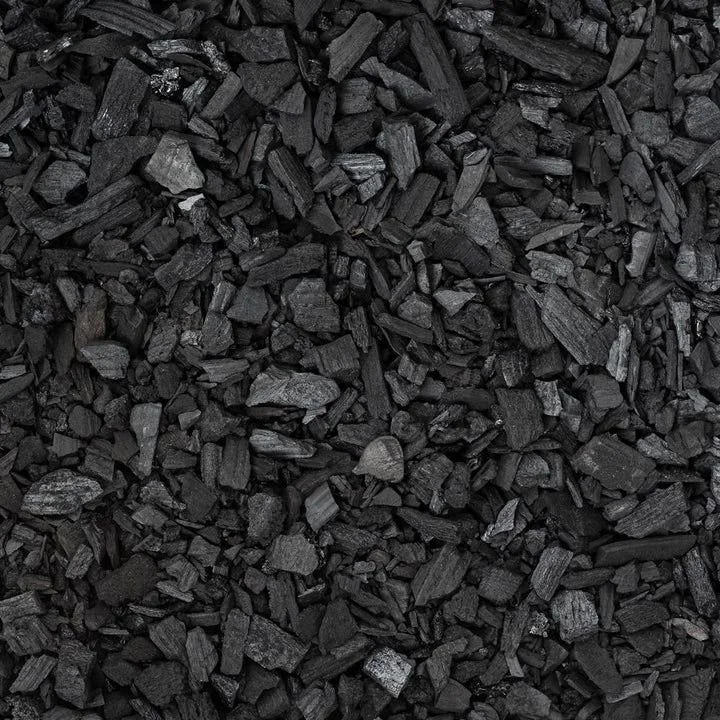
BIOCHAR
Biochar is a carbon-rich material made from heating organic matter (like wood or plant waste) in a low-oxygen environment. It’s highly porous, helping soil retain water and nutrients, improve aeration, and support beneficial soil microbes over time.
Vertical Mulching/Biochar and How they helps our Soils
A more effective and sustainable approach is something called vertical mulching, combined with strategic planting. Vertical mulching involves drilling or creating narrow holes into the soil to allow air, water, and organic matter to penetrate deeper into compacted layers. These holes can be filled with various materials, but my preferred choice is biochar. Biochar is incredibly porous, improving aeration while also holding moisture and nutrients, creating pockets of life within dense soil.
Once vertical mulching has opened pathways into the soil, plants can take over the rest of the work. Deep-rooted species, especially those with long taproots like lupines, act as living soil tools. Their roots push through compacted layers, improving structure over time while feeding soil organisms and increasing organic matter naturally.
Healthy soil isn’t built overnight, and it doesn’t come from forcing soil to be something it’s not. By working with your existing conditions, supporting soil life, and choosing plants that help improve structure naturally, you can transform “crappy soil” into a resilient, functional foundation for your garden landscape, without fighting nature along the way.
